The Prize: The Epic Quest for Oil, Money & Power
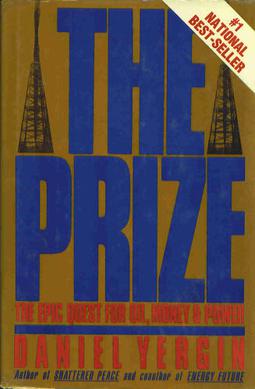
The Prize offered a fascinating perspective on the global oil industry and how both sides of the equation—the resource-exporting countries and the resource-importing nations—rarely see eye-to-eye.
As an economic historian, Yergin could show us how two conflicting narratives arise:
-
The Importer Narrative: If you live in a resource-dependent, importing country, the narrative is often that the exporters are greedy cartels simply trying to squeeze every last cent out of you.
-
The Exporter Narrative: If you are an exporting country, the narrative revolves around sovereign rights. It’s your resource, your land, and the importing nations just want to exploit and control your domestic wealth.
There is a remarkably thin line of balance here. When reading about the events of the 1960s and mid-1970s—the era of the oil crises and the rise of OPEC—it initially feels like the importing West was the party being squeezed and oppressed. But looking further back into history, the reality is that many of these exporting nations had been deeply suppressed and exploited because of their resources long before they found leverage.
Interestingly, having vast oil reserves rarely guarantees true prosperity. Although not mentioned in the book, Nigeria, for example, has suffered immense instability, corruption, and environmental degradation, leaving the nation structurally unhappy despite its massive petroleum wealth. Other resource-rich nations saw leaders like Muammar Gaddafi in Libya or Saddam Hussein in Iraq consolidate immense power and leverage, but it never translated into the authentic liberation or development their citizens truly wanted. Instead, it just made their entire societies and economies utterly dependent on a single, volatile commodity.
This dynamic perfectly outlines why economists stress the absolute necessity of a diversified economy and the dreaded Dutch Disease. Relying on a single resource creates an fragile foundation. For policymakers and analysts, understanding this fragility isn't simply a historical lesson but a critical, fundamental variable that must be factored into every single economic and foreign policy equation.